
Where an Awning Should Go for the Best Shade and Protection
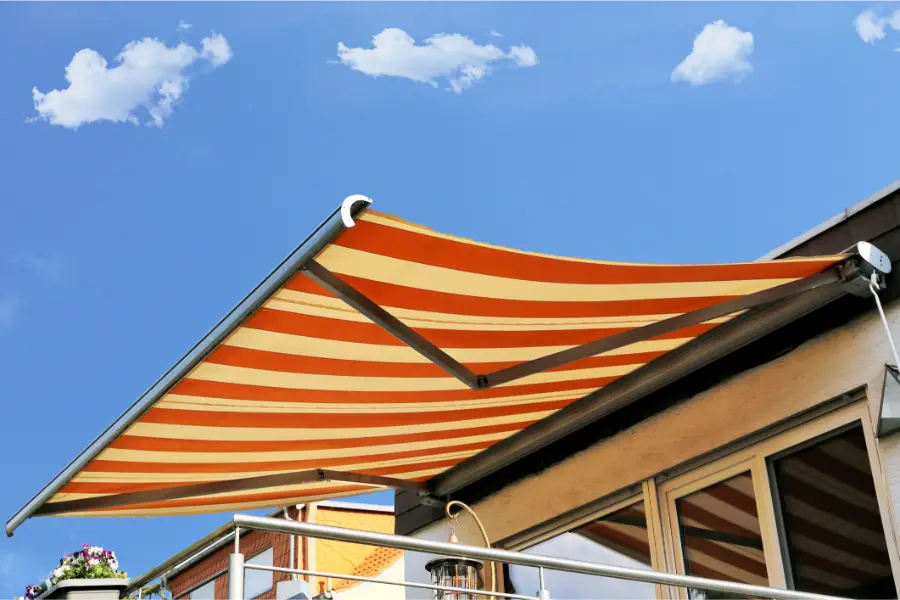
The right spot for an awning depends on sun direction, wind exposure, and how you use the space. When planning an awning installation, you want shade during peak heat, strong wall support, and enough clearance for doors and windows. Good placement keeps your patio cooler and protects furniture from sun and rain. Poor placement can block light or catch heavy wind.
What You Need Before Starting
Before you begin any awning installation, gather basic details about your home and yard. Walk around the area at different times of day. Notice where the sun hits in the morning and afternoon. Check how high your windows and doors sit. Measure the wall width and height.
You should also look at:
- The direction your home faces
- Roof overhangs and gutters
- Nearby trees or downspouts
- The wall material such as brick, siding, or stucco
- Any HOA or city rules that apply
If you are adding this as part of a larger outdoor upgrade in the , plan the layout first. The awning should fit the full design, not feel like an afterthought.
Step-by-Step Placement Process
Once you have your measurements and notes, follow these simple steps to choose the best location.
- Mark the area that needs shade. Use chalk or tape to outline the size.
- Check sun angles. Stand in the spot during peak heat hours.
- Confirm wall strength. Make sure studs or solid framing sit behind the surface.
- Measure vertical clearance. Leave room for doors to open fully.
- Test projection space. Make sure the awning can extend without hitting lights or railings.
- Review slope options. A slight pitch helps rain run off.
Taking these steps helps you avoid placing the awning too high or too low. It also keeps it centered over the space you use most.
Common Mistakes to Avoid
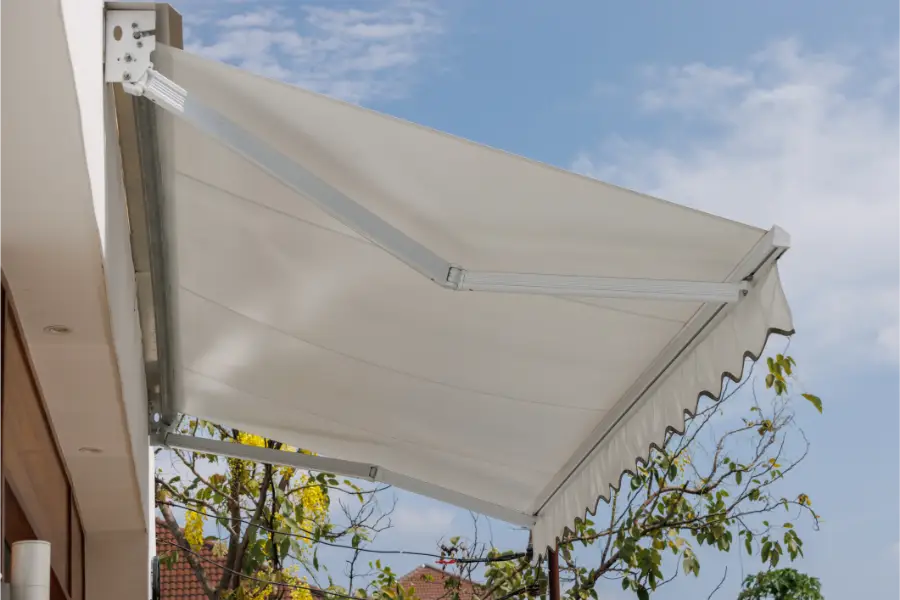
One common mistake is focusing only on looks. An awning may look centered but fail to block afternoon sun. Another mistake is ignoring wind patterns. Corners of a home often catch strong gusts. Placing an awning there without extra support can lead to damage.
Homeowners also forget about water runoff. If the slope is too flat, rain can pool and stretch the fabric. Mounting directly into weak siding without proper anchors is another risky move. Secure framing matters in every awning installation.
When to Call a Professional
Some placements are simple. Others need expert help. Second-story installs, wide custom units, and motorized systems demand precise mounting. If you are unsure about wall strength or electrical connections, it is smart to call a trained crew.
A professional can check load points, confirm proper spacing, and align the unit for clean operation. That prevents costly repairs later. It also protects your warranty.
Final Recommendation and Local Help
Proper awning installation starts with smart placement, not guesswork. If you want long-lasting shade in Lake Charles, LA, we can help you plan the right spot and handle the full process safely. At Taylor Aluminum of SW LA LLC, our team works together to measure, mount, and test every unit with care. Call (337) 221-4662 today and let us help you create a shaded space that works for your home and your lifestyle.